In the spotlight: Anu Virtanen
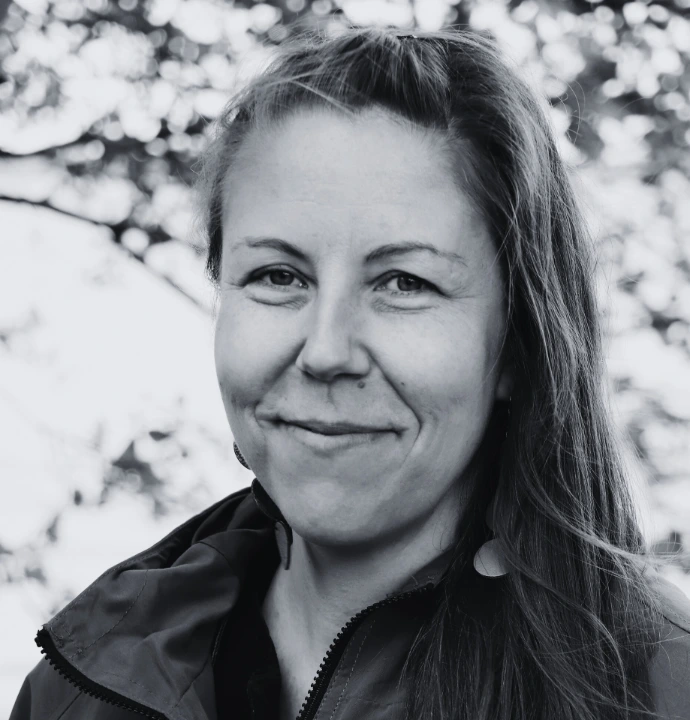
Who are you?
I am a philosopher specialising in educational research and currently finalising my doctoral research on the transformative potential of philosophical dialogue in the context of higher education. As a part of my research, I have engaged in dialogue with pre-service teachers about the ethical dilemmas they have encountered, both during their teaching practicums and in life in general. The aim has been to examine the potential of neo-Socratic dialogue to support pre-service teachers in navigating these dilemmas. I am advocate of slow pedagogy and neo-Socratic dialogue as a space for searching for wisdom.
What is the role of philosophical practice in society today?
The neoliberal ideas that prevail in the field of education put pressure on teachers to focus on learning outcomes and the production of ‘human capital’ for the world of work. Philosophical practice can act as a counterforce. It can create space for critical collaborative thinking, compassionate interaction with others, and reflection on ethical issues. This can enhance holistic growth of the students as human beings. The ongoing eco-crisis sets the task also for philosophical practice to promote a form of being human that safeguards the wellbeing of the entire planet.
What is the most important thing that philosophical practice has taught you?
Socratic ignorance, the attitude of not-knowing. In order to learn something new and to understand others, one must take a critical stance towards one’s own opinions and desires, and practise epistemic openness, willingness to change one’s mind. This involves turning one’s attention away from oneself and towards the matter at hand and toward others. This creates space for wonder, love and compassion. In my day-to-day life, I repeatedly find that this is a work in progress! It is interesting to note that current psychological research on wisdom has also linked intellectual humility, an open-minded attitude and compassion to wisdom.
If you could ask one question to a world leader of your choice, what would it be, and who would you ask?
This is a difficult question. When I look at the actions of today’s world leaders, who are carrying out genocide in Gaza, war crimes in Ukraine, or the oppression of the poorest and most vulnerable groups of people in other countries as well, I wish I could awake these leaders from their delusions with a single question or a gesture of compassion in a ‘Buddha-style’. I suppose rare people have such a skill. These situations require political action by the citizens to remove these leaders from power. Philosophical practice can support people in this endeavour by cultivating their ethical awareness and their confidence in the possibilities of joint action.
Which film, work of art, or piece of music do you consider the most philosophical, and why?
I consider Plato's dialogues not only philosophical works but works of art as well. Plato masterfully explores the themes of his dialogues at the levels of speech (logos), action (ergon) and myth (mythos). The dialogues are excellent examples of how philosophical dialogues, even in written form, can draw the person into a dialogical, transformative movement. The dialogues examine the prevailing beliefs of the time without offering ready-made answers, thereby challenging the reader to think for themselves. Plato’s dialogues continue to challenge our convictions.
Final thoughts: Is there anything else you would like to share with the conference audience and those interested in philosophical practice?
"Philosophical practice can act as a counterforce for outcome-focused education."
